How Submersible Stainless Steel Sewage Pumps Work: Basic Principles and Operating Mechanism
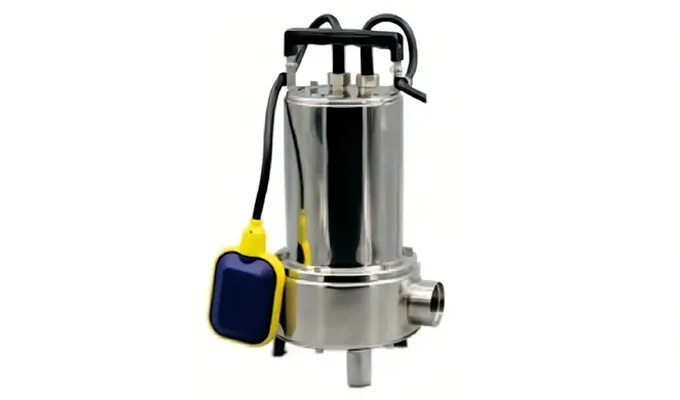
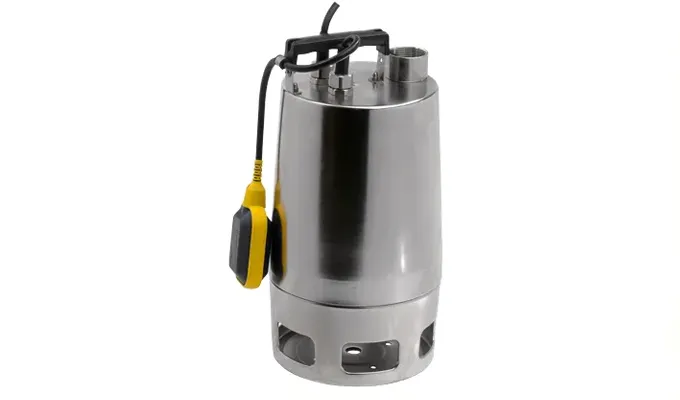
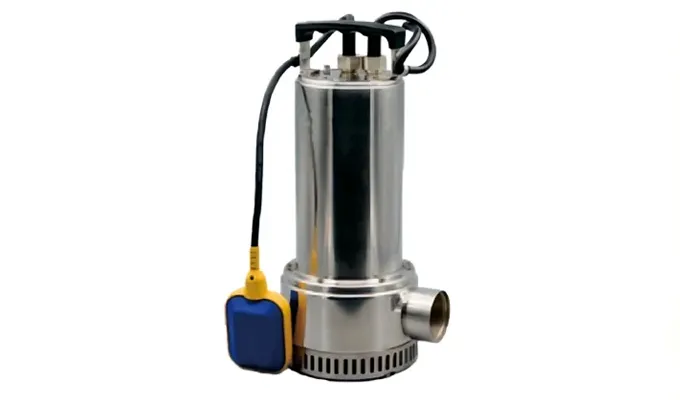
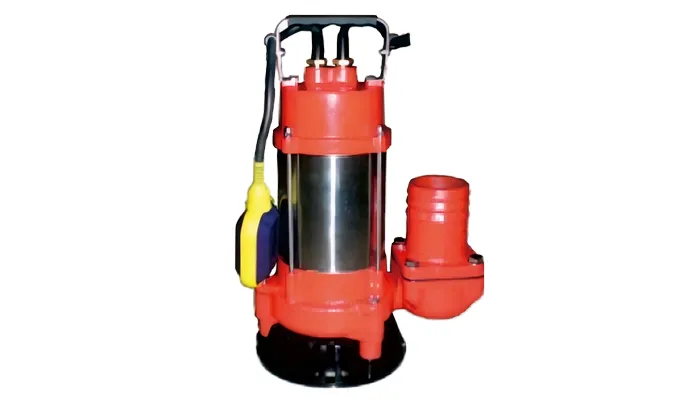
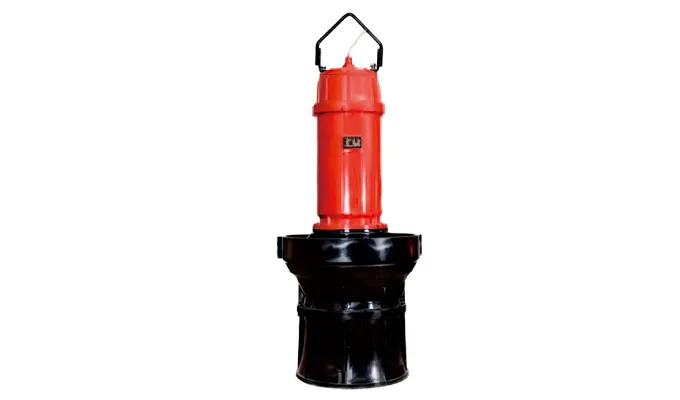
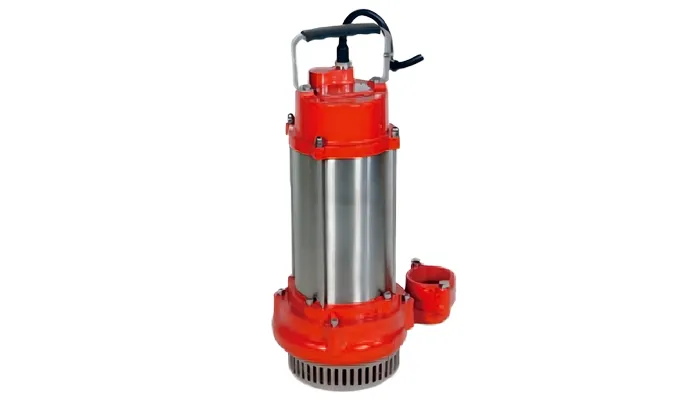
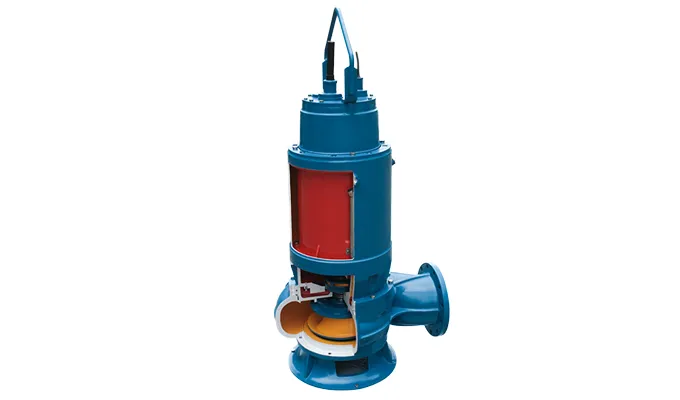
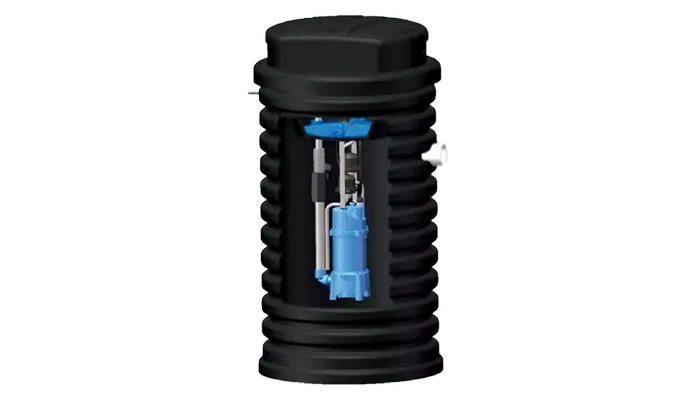
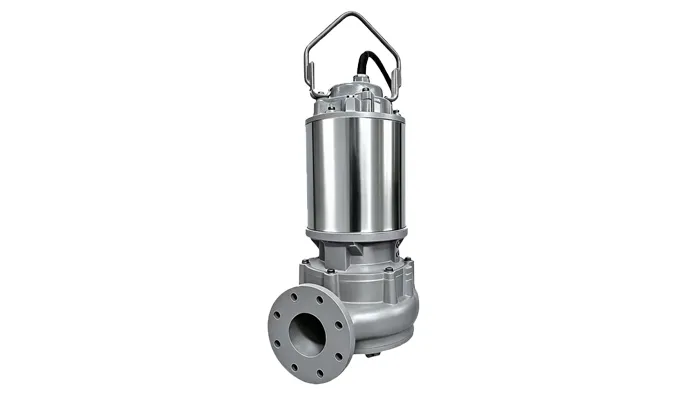
The submersible stainless steel sewage pump is directly placed in the sewage pit or sump, pushing the liquid out through the discharge pipe without relying on suction from above. This design is simple and efficient. It uses an electric motor to drive the impeller, which rotates at high speed to generate pressure, thereby forcing the sewage out of the pump body and lifting it along the pipeline. The motor is sealed in a waterproof casing and does not come into contact with any water flow. The pump body is made of stainless steel, a material that does not rust, has a longer service life, and can resist corrosion from chemicals in sewage.
Because the pump body is completely submerged in water, there is no need for special ventilation devices or additional airflow components, resulting in quiet and safe operation. Since the pump body is submerged in water, the natural flow of water through the pump body provides a natural cooling effect, preventing the motor from overheating. Therefore, the system can operate continuously for extended periods without the need for shutdowns.
The type of impeller affects its ability to handle solid particles: some designs can directly push solids, while others break them up before pushing. Choosing the right impeller design can better match specific job requirements. We design and manufacture these pumps with practical application scenarios in mind. They can handle sewage, sludge, debris, and various waste materials, are not easily clogged, and operate continuously and stably. These pumps are not just machines; they are an essential part of the entire drainage system. They help keep cities clean, ensure building safety, and effectively prevent sewage backflow.
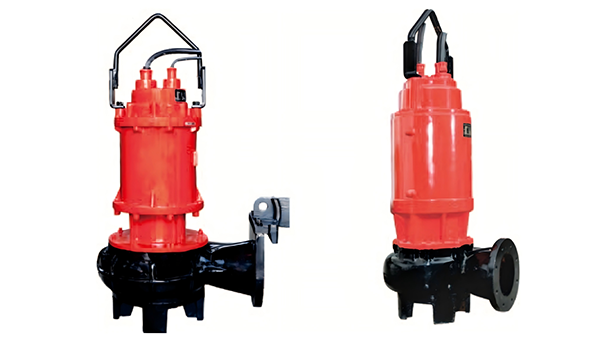
Main Types of Submersible Stainless Steel Sewage Pumps: Impeller Design and Function Classification
In submersible stainless steel sewage pumps, there are several types of impellers, each suitable for specific working scenarios.
The first type is the open impeller, with blades not covered by any shroud. It can easily intake solid impurities but wears relatively quickly. It is suitable for handling lightly polluted water with small debris.
The second type is the semi-open impeller, which has a back support plate and is more robust. It can handle more solid particles, is more efficient, and is less prone to clogging. It performs well in residential and commercial buildings, striking an ideal balance between efficiency and durability.
The third type is the closed impeller, with blades covered by shrouds on both sides. This impeller is highly efficient and can provide strong water flow. However, it performs poorly with large solids and is therefore more suitable for handling relatively clean wastewater, not suitable for sewage systems containing rags, hair, or sticks.
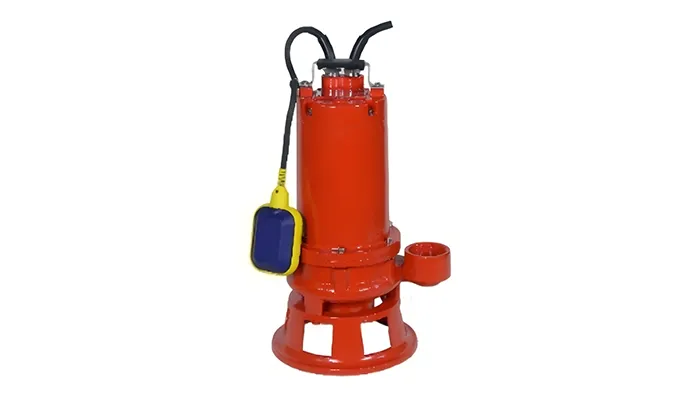
Additionally, there is the chopper pump, with built-in cutting blades in the impeller to shred solid waste before conveying. This design significantly reduces the risk of clogging and is particularly suitable for handling stubborn waste such as rags, paper, sanitary products, and even small sticks. Our pump design fully considers the application of chopper blades. In high-load work environments, it can significantly extend the pump's operating time and reduce frequent shutdowns.
We have comprehensively tested these pumps in real sewage systems: the pump body will not jam, can self-clear debris, effectively protect the motor, and significantly save maintenance costs and operating expenses.
Each pump is designed for different needs. A small office may only require a simple closed impeller pump, while a large factory or hospital needs a more powerful pump equipped with chopping features. We do not adopt a "one-size-fits-all" approach but listen to the specific needs of customers, accurately matching pump types to actual working conditions to ensure the system always runs efficiently and reliably.
Core Features, Advantages, and Cross-Industry Applications of Submersible Stainless Steel Sewage Pumps
Our submersible stainless steel sewage pumps are designed to address complex real-world problems, solving challenges that other pump types cannot handle. Here are its core advantages:
First major feature: Stainless steel pump body
The pump body is made of high-quality stainless steel, never rusts, and prevents leakage. It can withstand corrosion from acidic substances, bleach, and high-salinity environments, with a service life of up to several years, requiring no painting or additional coatings, resulting in very low maintenance costs.
Second major feature: Motor protection system
Built-in thermal sensor automatically shuts down the motor when the temperature is too high to prevent burnout. It also adopts a fully sealed shaft design to prevent water from entering the motor, ensuring the motor remains dry. This greatly reduces maintenance frequency and significantly extends the equipment's lifespan.
Third major feature: Self-cleaning structural design
The flow channel design is smooth and seamless, preventing the accumulation of solid impurities. During operation, the water flow naturally flushes the interior, achieving self-cleaning. The pump operates continuously, requiring no manual periodic cleaning, truly achieving "install and forget, worry-free for long."
These reliable features make it perform excellently in various industrial and public facility scenarios:
In hospitals, pumps need to handle medical waste with biological hazards. Our pumps have antibacterial capabilities, with stable materials that do not degrade, ensuring safe system operation and effectively preventing cross-infection.
In industrial plants, wastewater often mixes with oil, chemicals, and metal debris. Our pumps can efficiently handle mixed waste, prevent clogs, and ensure continuous production without interruption.
In residential buildings, users pursue quiet and reliable drainage systems. Our pumps run smoothly with very low noise and almost no vibration, making occupants barely aware of their presence, providing a more comfortable living experience.
In municipal sewage stations, we provide large industrial-grade pumps that can operate 24/7, easily handling mixed rainwater and sewage flow during heavy rains, ensuring the city's drainage system remains unblocked, and preventing flooding.
Additionally, these pumps are widely used in agriculture for transporting animal waste, high-concentration sludge, and other harsh media. Even in humid, dusty, and harsh environments, they remain stable, reliable, and durable.
We don't just sell equipment; we provide comprehensive solutions. We help customers reduce operating costs, save maintenance time, reduce downtime, and truly safeguard urban sanitation and the cleanliness and safety of daily life.
Comparison of Submersible Stainless Steel Sewage Pumps with Other Technologies: How to Choose the Most Suitable Solution
There are other ways to transport sewage, but not all methods are suitable for every location. Let's compare:
These pumps are installed outside the water tank and rely on suction to draw up sewage. They require airflow, must be connected to pipes, and are difficult to maintain. They easily clog, produce loud noise during operation, generate heat while working, and have a short service life.
These pumps are installed vertically, usually placed in the same space as the sump, making maintenance relatively convenient. However, once the inlet is clogged, they are prone to failure. They have poor solid particle handling capability, produce loud noise during operation, and occupy more installation space.
These pumps use internal moving parts to push liquids, suitable for conveying viscous waste. However, these pumps are slow, wear easily, require frequent cleaning and maintenance, and have high operating costs. In contrast, submersible stainless steel sewage pumps have advantages in most application scenarios: They are a single unit, require no hose connections, do not rely on suction, and do not need air supply. They can operate stably in deep pools, easily handle large solid particles, operate quietly, and have a long lifespan.
We design and produce these pumps to break through traditional limitations. Some competitors use plastic materials that crack over time; some use ordinary steel, which rusts and corrodes easily. However, we consistently use high-quality stainless steel, equipped with intelligent impeller designs and built-in overheating protection systems to ensure both performance and durability.
Conclusion
Submersible stainless steel sewage pumps deliver reliable, low-maintenance performance across a wide range of applications. Choosing the right configuration depends on your specific site conditions and media type. FENGQIU CRANE provides a full range of submersible stainless steel sewage pumps, contact us to discuss your requirements or request a product datasheet and quotation.
Dr. Peijian Zhou
Professor, China Jiliang University; Director, Zhejiang Engineering Research Center of Intelligent Fluid Equipment; Ph.D. graduated from China Agricultural University in 2015; Published 39 relevant SCI research papers with an i10-index of 38 and h-index of 22.


-Pump-Co.,-Ltd..webp "FEGNQIU CRANE(ZHEJIANG) PUMP CO., LTD.")