The Hidden Costs of Frequent Clogging in Sewage Pumps: Why Traditional Pumps Struggle to Cope
Traditional submersible sewage pumps often malfunction when encountering hard waste, making them prone to clogging. The root of the problem lies in solid materials such as cloth strips, hair, wipes, and fibrous impurities. These items can get stuck in the narrow impeller channels, and once lodged, the pump stops working, unable to transport water flow, leading to system backflow and flood risks. This is not an uncommon phenomenon. It happens every day in cities, factories, and buildings. A single clog can paralyze a lift pump station, followed by emergency repairs—maintenance personnel are called in, and downtime incurs economic losses. The longer the delay, the greater the accumulated losses. More seriously, clogged systems may overflow, causing environmental pollution, violating environmental regulations, incurring fines, and damaging company reputation.
Old pump designs rely on tight clearances, narrow impeller channels, and strong suction. They perform well when handling clean water, but real sewage situations are complex, containing various foreign objects: tissues, diapers, snacks, and even wood fragments. These items, which shouldn't enter the pipeline, frequently mix in. The problem is not just clogging. Clogging also forces the motor to overload, the pump struggles continuously, energy consumption increases, heat accumulates, components wear out faster, failures occur more quickly, and maintenance becomes routine. Repair vehicles are frequently dispatched, workers spend a lot of time cleaning, and funds keep flowing out. These failures are predictable.
Yet many operators still use old-style pumps simply because of their low price. However, the seemingly cheap initial cost actually hides huge long-term costs. The real costs gradually become apparent in repair fees, downtime losses, and reputation damage.
We have seen through this issue, and thus designed our pumps not only to solve but fundamentally eliminate the problem. Only by eradicating it at the source can true victory be achieved.
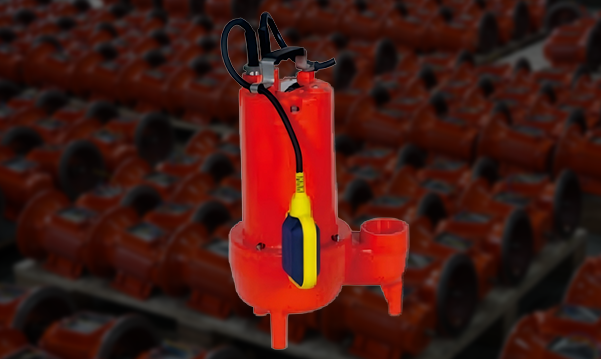
Introduction to Non-Clog Submersible Sewage Pumps: How Advanced Impeller Design Solves Clogging Problems
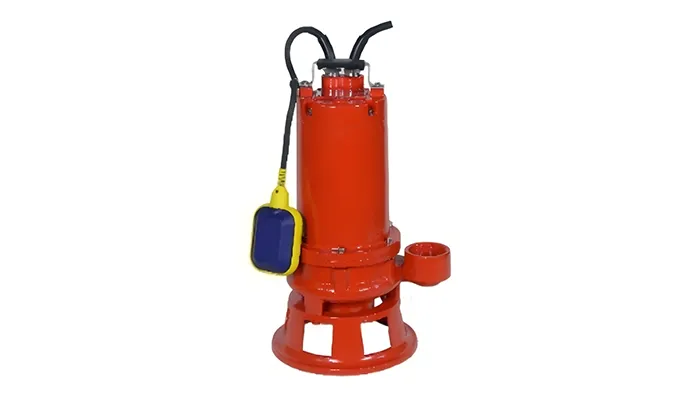
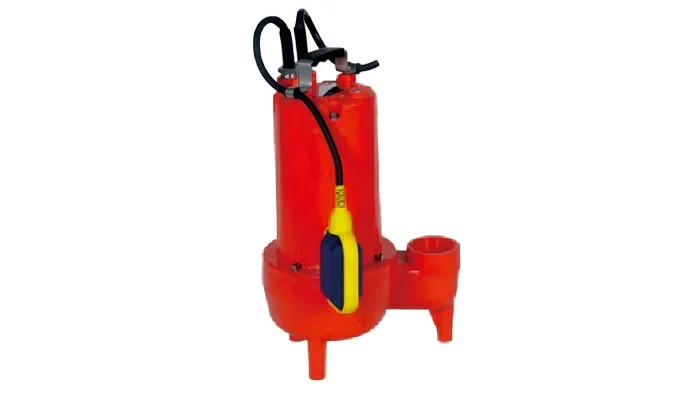
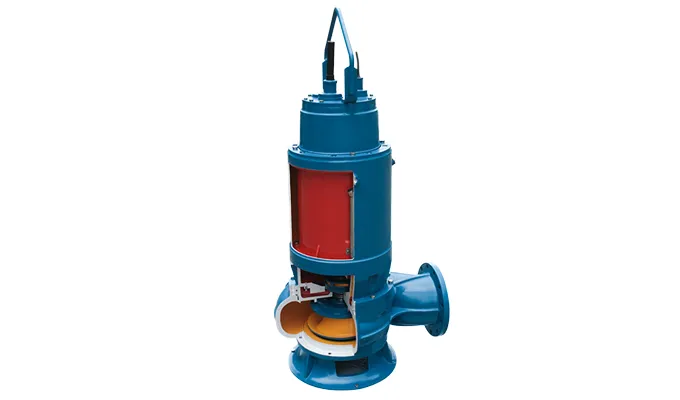
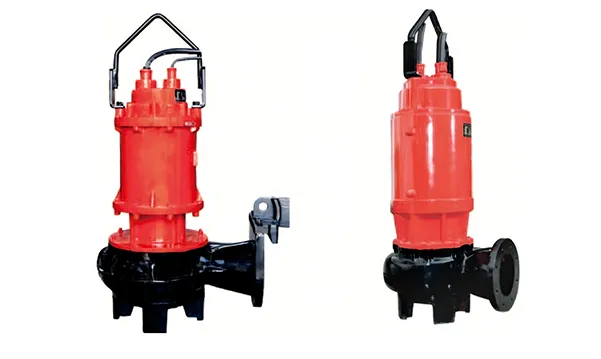
Our non-clog submersible sewage pump starts with the impeller—the "heart" of the entire system. It is responsible for transporting water flow and handling solid debris. Most traditional designs frequently fail here, but ours doesn't. We use impellers with wide, open flow channels, without narrow gaps or clogging risks. Solid materials can pass through easily. We conducted rigorous tests with real waste: cloth strips, ropes, plastic fragments, garbage, and even foreign objects up to 85 millimeters wide—all passed through smoothly. No clogging, the pump continues to run without shutdown. The shape of the impeller is crucial. The inlet adopts a streamlined design, guiding solid materials smoothly in, without sharp edges or dead-end areas, maintaining a smooth and continuous water flow. Impurities have nowhere to get stuck and won't linger. The blade structure is sturdy, capable of pushing solids forward, rather than sideways or backward. They push the material straight in, ensuring a clean path and unobstructed water flow, allowing the pump to operate efficiently.
Additionally, we introduced a vortex suction structure. It gently draws waste into the pump, avoiding sudden impacts or tearing, preventing jams and clogs. The intake and discharge process is smooth and natural, flowing like a mountain stream.This design is not only applicable to sewage—where solid and liquid mixtures are complex; it also applies to rainwater systems, addressing the challenge of leaf and bark accumulation; it is equally suitable for industrial fluids, handling common impurities such as metal debris and fabrics.
We have verified this design with real-world data. In cities like Shanghai and Dubai, our pumps have been running continuously for months without clogging, no emergency calls, and no maintenance required. The key is not only in the shape of the impeller but also in spatial layout, fluid dynamics, and visibility design.
The impeller we crafted prevents solid materials from getting stuck, allowing them to pass quickly, smoothly, and safely—efficiently and unobstructed, ensuring worry-free operation.
Why Stainless Steel Material + Non-Clog Design Brings Long-Term Reliability Across Industries
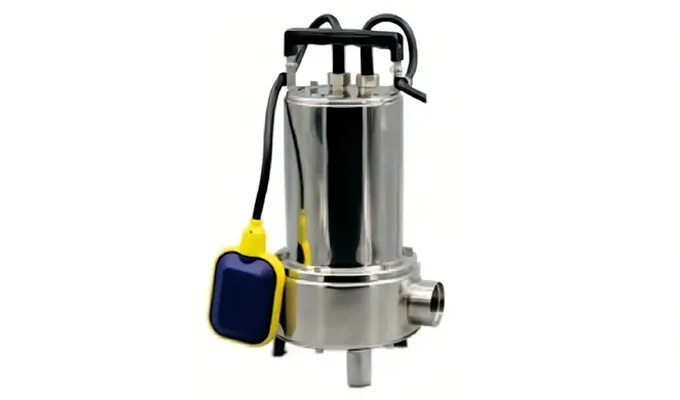
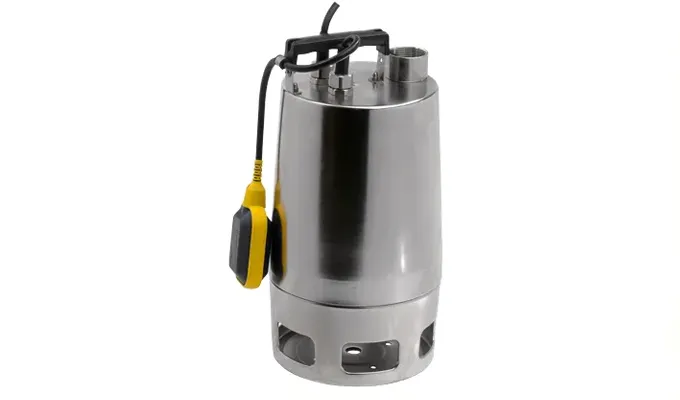
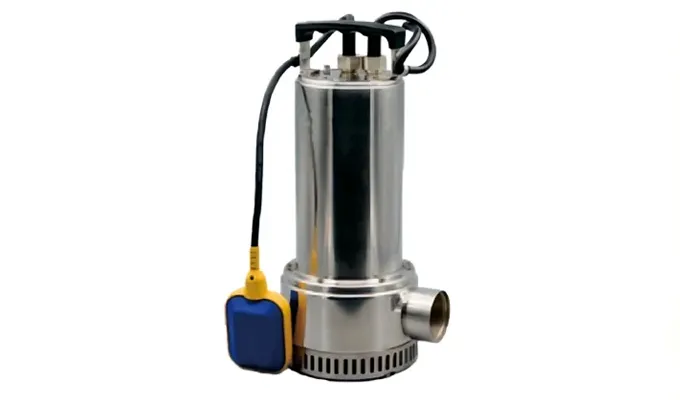
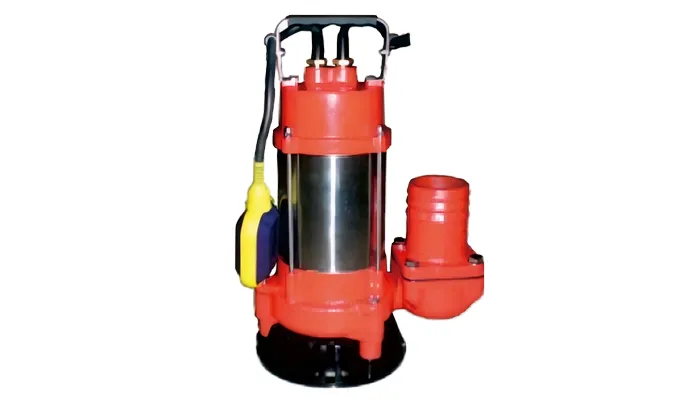
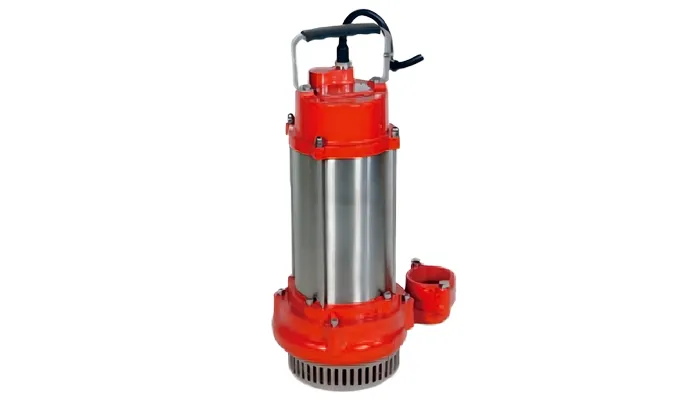
When a system needs to operate stably day after day without failure, material selection is crucial. Stainless steel not only has high strength but also effectively resists rust, corrosion, and wear caused by harsh environments. This means it has a longer lifespan in demanding environments such as food processing, chemical plants, and sewage treatment. Materials that deteriorate over time often lead to leaks, failures, and costly repairs, while stainless steel can avoid these risks. It maintains system integrity, withstands high pressure, adapts to high-temperature environments, and resists highly corrosive chemicals. The result is a system that can continuously operate stably on the grid without unexpected shutdowns or temporary repairs. Equipment made of stainless steel has a lower replacement frequency and remains reliable for long-term use.
The second reason this design is so outstanding is its anti-clogging concept. Clogging does not appear out of thin air; it often stems from small initial problems: a small piece of debris gradually accumulates, slowing down flow speed, then pressure suddenly increases, the system begins to struggle, and ultimately leads to failure. The anti-clogging design can effectively prevent this process. It uses open flow channels, eliminating narrow areas, and always maintains unobstructed flow. The shape of the system structure guides materials to pass smoothly without traps for solid retention or "dead corners" prone to accumulate dirt.
This is not just a function but the core foundation of the entire design. Every component is specifically designed to prevent clogging. No matter how greasy, fibrous, or viscous the material is, it can pass through smoothly. The system does not fight against the material but operates according to its characteristics. This design philosophy results in fewer alarm calls, less on-site maintenance by technicians, shorter downtime, and more production time. The ultimate outcome not only improves efficiency but also brings long-lasting peace of mind.
The Real Impact of Material Choice on System Performance
Stainless steel structure is not just a selling point but a solid pillar of performance.
In wet, salty environments with chemicals or drastic temperature changes, most metals gradually deteriorate—rusting, weakening, or even flaking off. These flakes can clog the system, contaminate products, or damage other components. But stainless steel does not. It maintains structural integrity, does not flake, leaves no marks, and remains clean inside and out. This is particularly critical in scenarios with high hygiene requirements, such as food or medical sectors. Any contamination is unacceptable, and a single failure can trigger product recalls, fines, or even halt entire production lines. Stainless steel effectively eliminates these risks, meeting strict hygiene standards, and passing various inspections without additional cleaning, seamlessly integrating into clean production processes. Because it does not deteriorate, the system can remain safe and reliable long-term.
Non-clogging design also brings tangible value. It is not just to prevent clogging but also reflects in energy savings. Once flow is obstructed, the pump needs to work harder, consuming more electricity, temperature rises, and wear increases. A clogged system operates at very low efficiency, while a non-clogging system requires no extra thrust, allowing fluid to pass smoothly and maintaining stable pressure.
The pump can always operate in optimal condition, without pressure surges, without extra burdens, and without energy waste. This means lower electricity bills, less maintenance needs, and fewer component replacements. In the long run, this saves not only money but also time and effort. It allows operators to focus on truly important work rather than repeatedly dealing with equipment issues that shouldn't occur. This is a kind of "inherent reliability," not a remedial measure added later, but an essential design principle, a necessary requirement for achieving long-term stable operation, not a luxury option that can be optional.
Conclusion
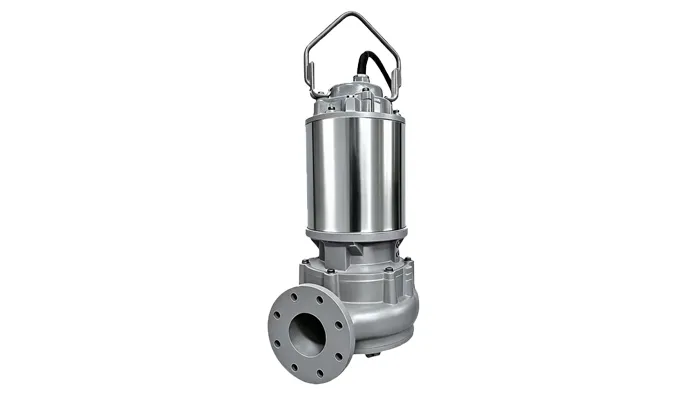
Reliable sewage handling depends on stable flow, durable materials, and reduced maintenance interruptions. Non-clog submersible sewage pumps offer a practical way to improve system uptime and control long-term operating costs. If you are selecting pumps for municipal, industrial, or commercial wastewater applications, FENGQIU CRANE can provide suitable pump solutions and technical support. Contact us for specifications, pricing, and project recommendations.
Dr. Peijian Zhou
Professor, China Jiliang University; Director, Zhejiang Engineering Research Center of Intelligent Fluid Equipment; Ph.D. graduated from China Agricultural University in 2015; Published 39 relevant SCI research papers with an i10-index of 38 and h-index of 22.

-Pump-Co.,-Ltd..webp "FEGNQIU CRANE(ZHEJIANG) PUMP CO., LTD.")